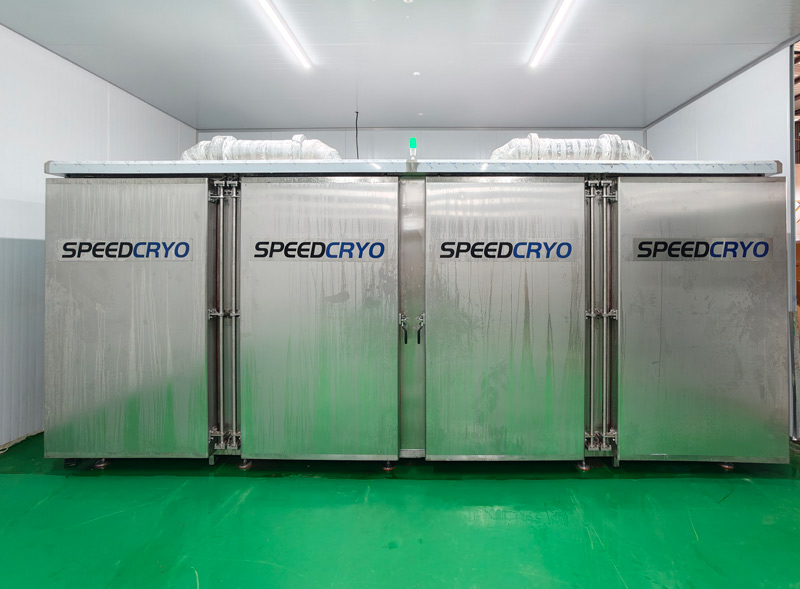
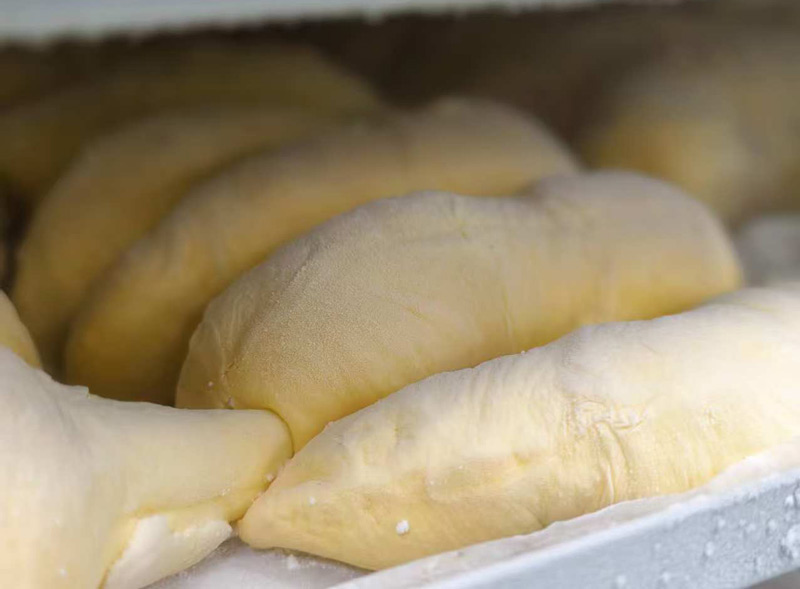
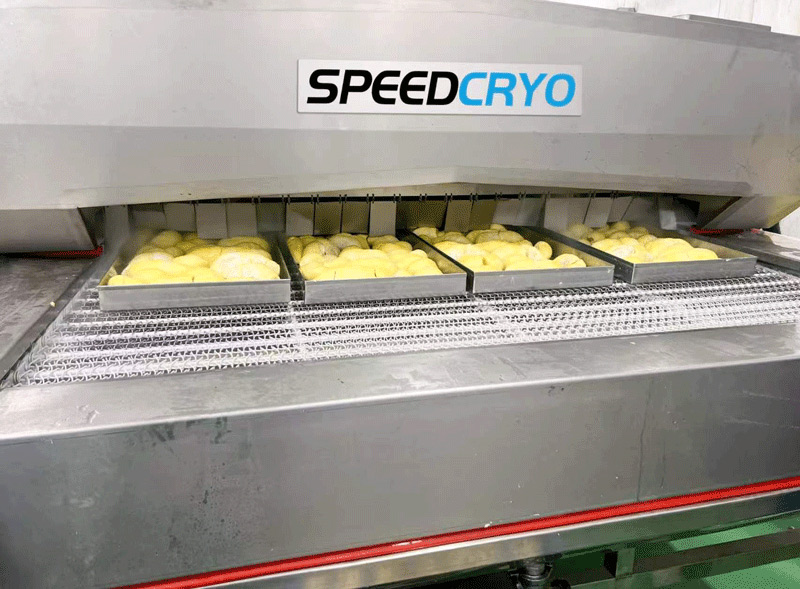
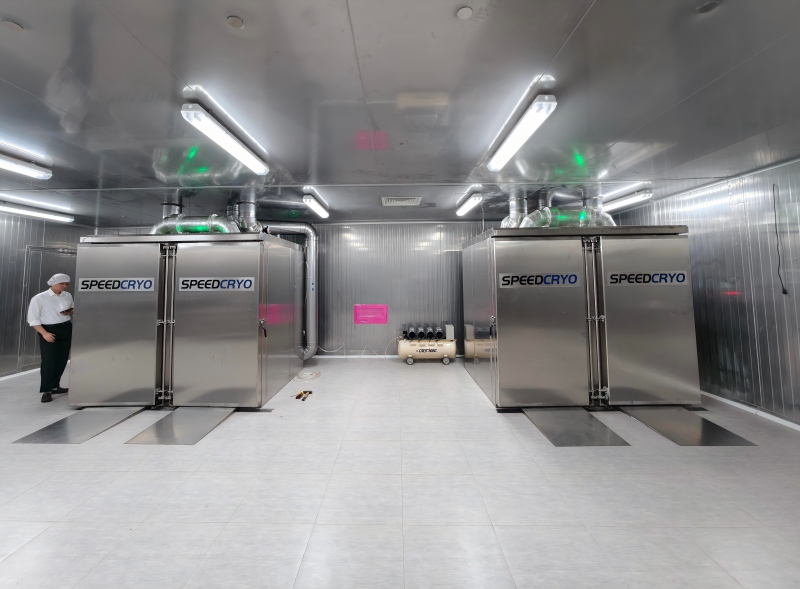
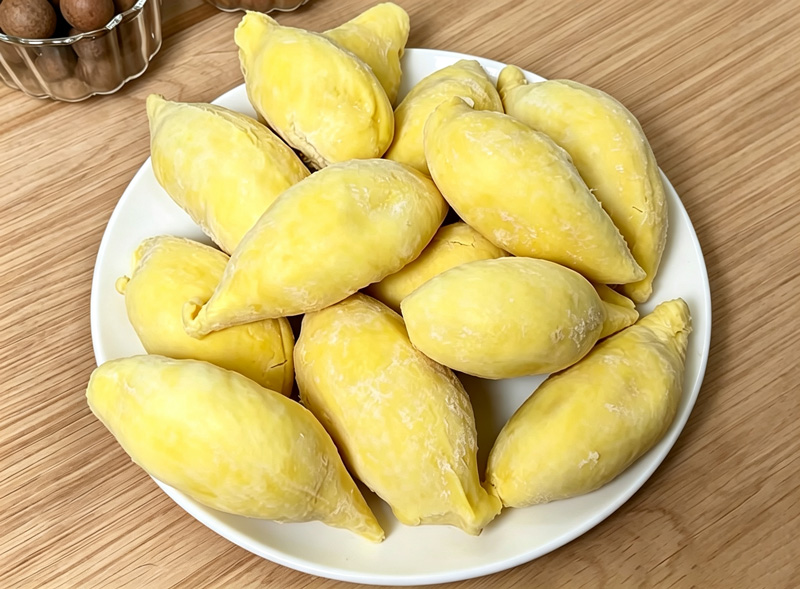
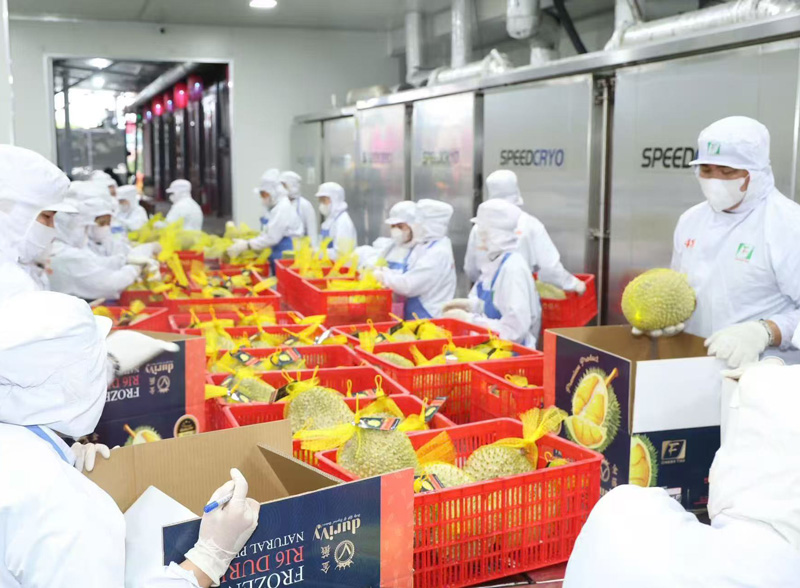
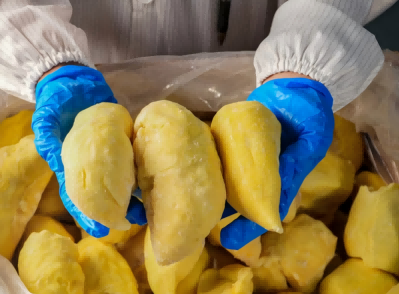
In the durian industry, processing has long been one of the lower-value parts of the supply chain. Raw material prices are easy to compare, freezing methods are similar, and many products look almost ...
Food safety is one of the most important requirements in the food industry. For durian, which has a high water and sugar content, microbial control is especially important during processing. Fr...
Durian is famous not only for its distinctive flavor and aroma, but also for its rich nutritional profile. Scientific studies have shown that durian contains a variety of nutrients, including vitamin ...
Many consumers have had this experience: Some frozen foods remain tender, juicy, and almost indistinguishable from fresh products after thawing. Others, however, release large amounts of liquid, becom...
In the food processing industry, energy consumption typically accounts for a significant portion of operating costs. When it comes to freezing, the conventional perception is that freezing means high ...
When food manufacturers first consider a Liquid Nitrogen Instant Freezer for Food Freezing, one of the first questions they ask is, "Is liquid nitrogen too expensive?" While this is a common concern, ...
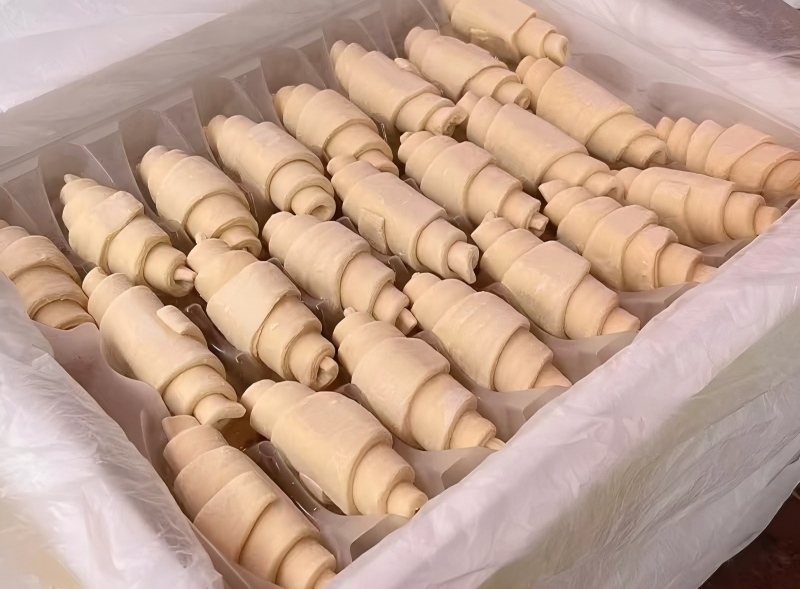
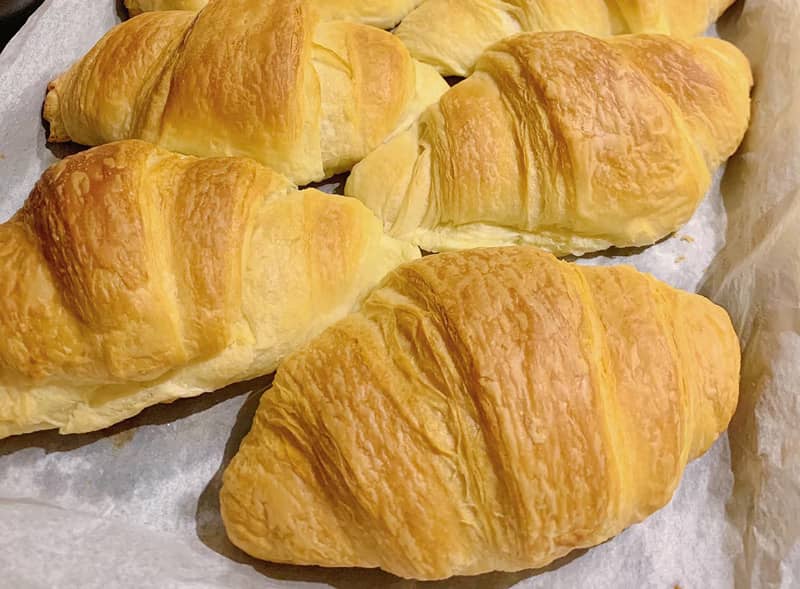
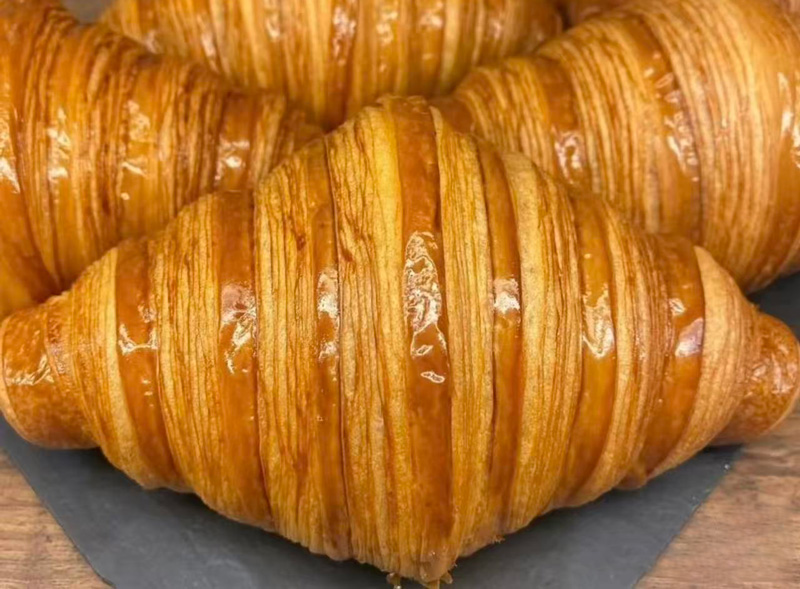
In today's frozen bakery industry, product quality has become one of the most important competitive advantages. For premium bakery products such as croissants, Danish pastries, and laminated dough, co...
In food freezing science, one principle has been universally recognized for decades: The size of ice crystals determines the quality of frozen food. Although this statement sounds simple...
The durian processing industry faces a well-known challenge: seasonal fluctuations in production demand. During the peak harvest season from May to August, large volumes of fresh durian arrive at proc...
Durian is often called the "king of fruits," largely due to its unforgettable, pungent aroma. This fragrance is not a single substance but a complex blend of dozens of volatile sulfur compounds, ester...