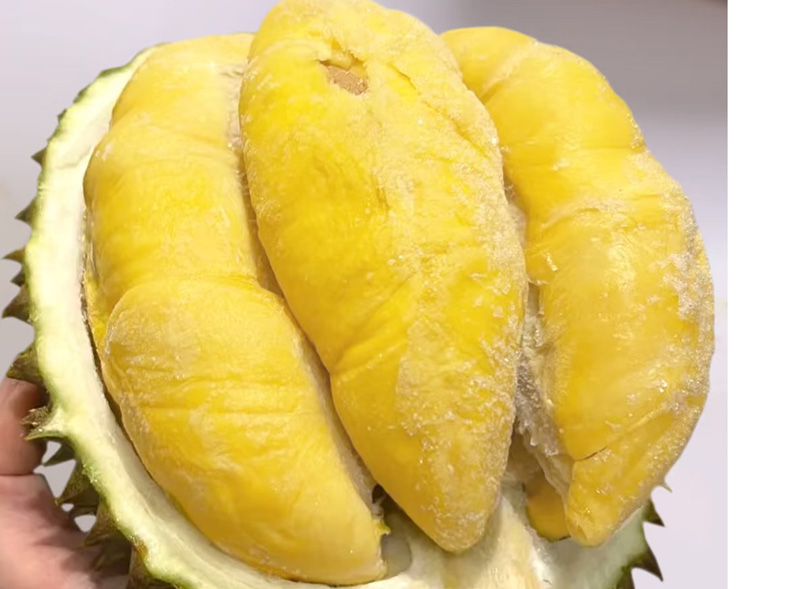
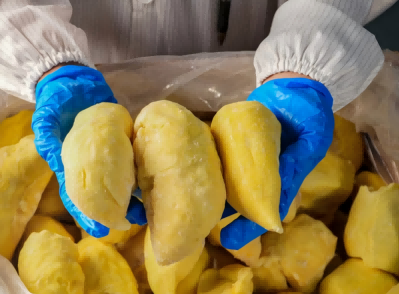
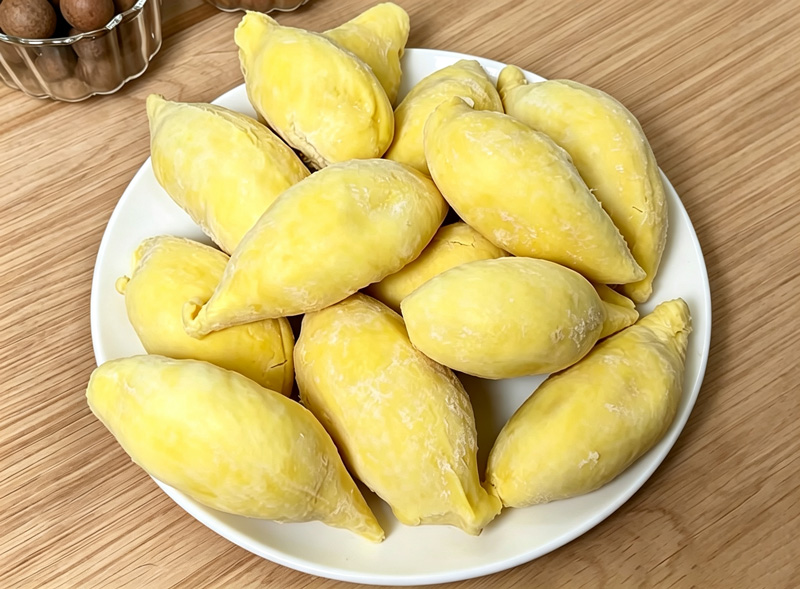
If you have ever purchased durian pulp frozen in a traditional freezer, you must remember that disappointing scene: after taking it out and thawing it, a layer of cloudy liquid accumulates at the bott...
Durian is often called the "king of fruits," largely due to its unforgettable, pungent aroma. This fragrance is not a single substance but a complex blend of dozens of volatile sulfur compounds, ester...
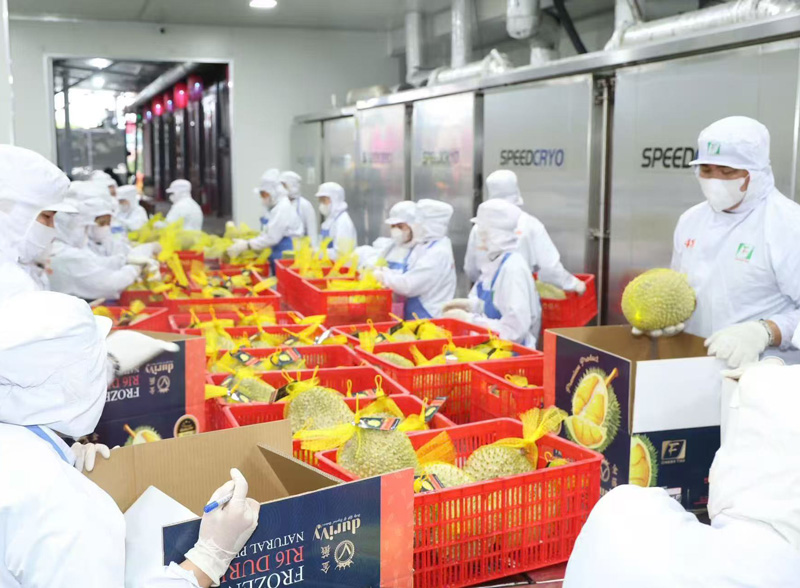
The durian processing industry faces a well-known challenge: seasonal fluctuations in production demand. During the peak harvest season from May to August, large volumes of fresh durian arrive at proc...
In food freezing science, one principle has been universally recognized for decades: The size of ice crystals determines the quality of frozen food. Although this statement sounds simple...
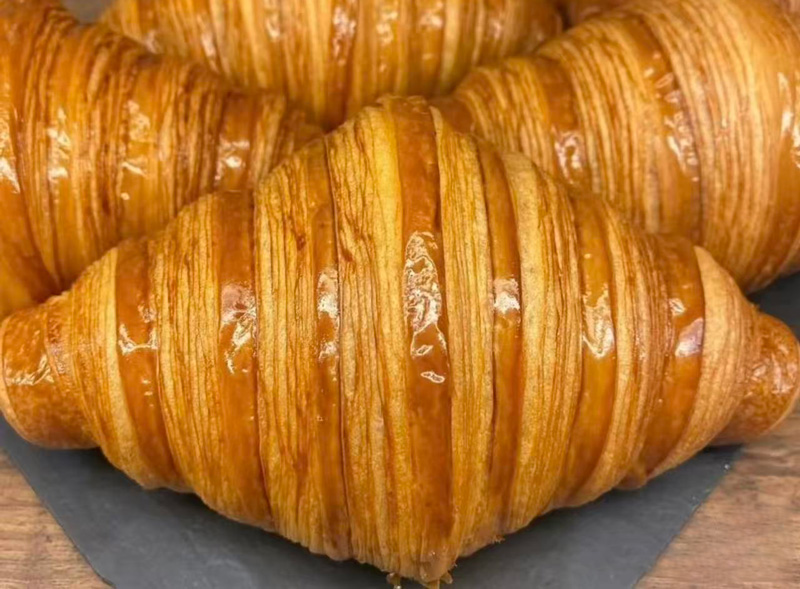
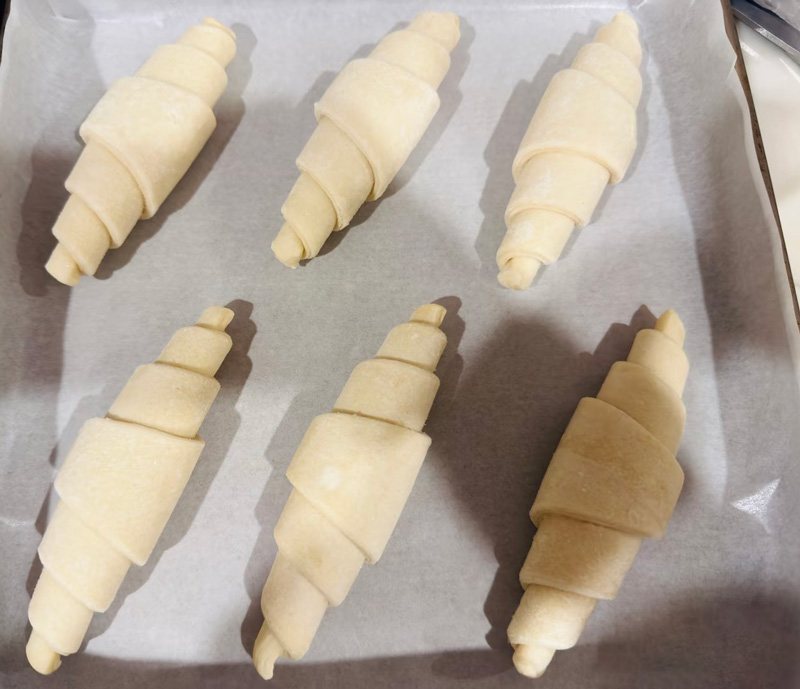
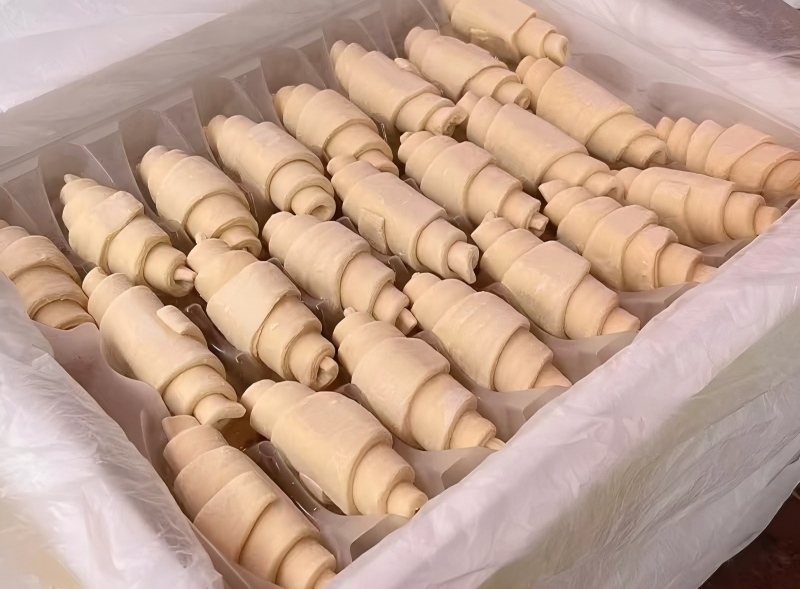
In today's frozen bakery industry, product quality has become one of the most important competitive advantages. For premium bakery products such as croissants, Danish pastries, and laminated dough, co...
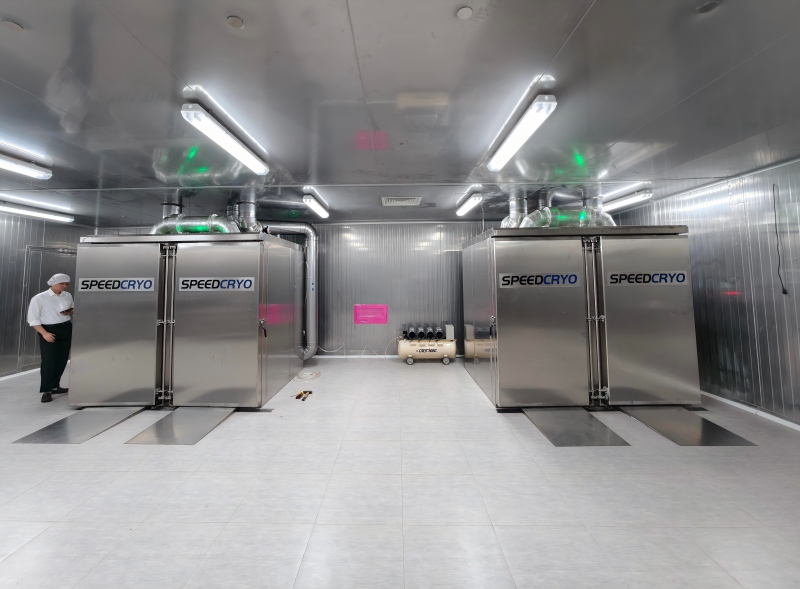
As chain bakeries, supermarket bakeries, central kitchens, and the prepared food industry continue to grow rapidly, more and more food manufacturers are adopting a "centralized production + frozen dis...
When food manufacturers first consider a Liquid Nitrogen Instant Freezer for Food Freezing, one of the first questions they ask is, "Is liquid nitrogen too expensive?" While this is a common concern, ...
In the food processing industry, energy consumption typically accounts for a significant portion of operating costs. When it comes to freezing, the conventional perception is that freezing means high ...
Many consumers have had this experience: Some frozen foods remain tender, juicy, and almost indistinguishable from fresh products after thawing. Others, however, release large amounts of liquid, becom...





 IPv6 network supported


 Nov 13, 2025